How Did I Get Pregnant? Understanding How Pregnancy Happens
- Medically Reviewed
- Last Updated
Pregnancy can happen even when you weren’t planning it or didn’t expect it. Understanding how pregnancy occurs can help you make sense of what happened. In this guide, we’ll walk through how ovulation, timing, and fertilization work together, along with common situations that can lead to pregnancy.
How does a pregnancy begin?
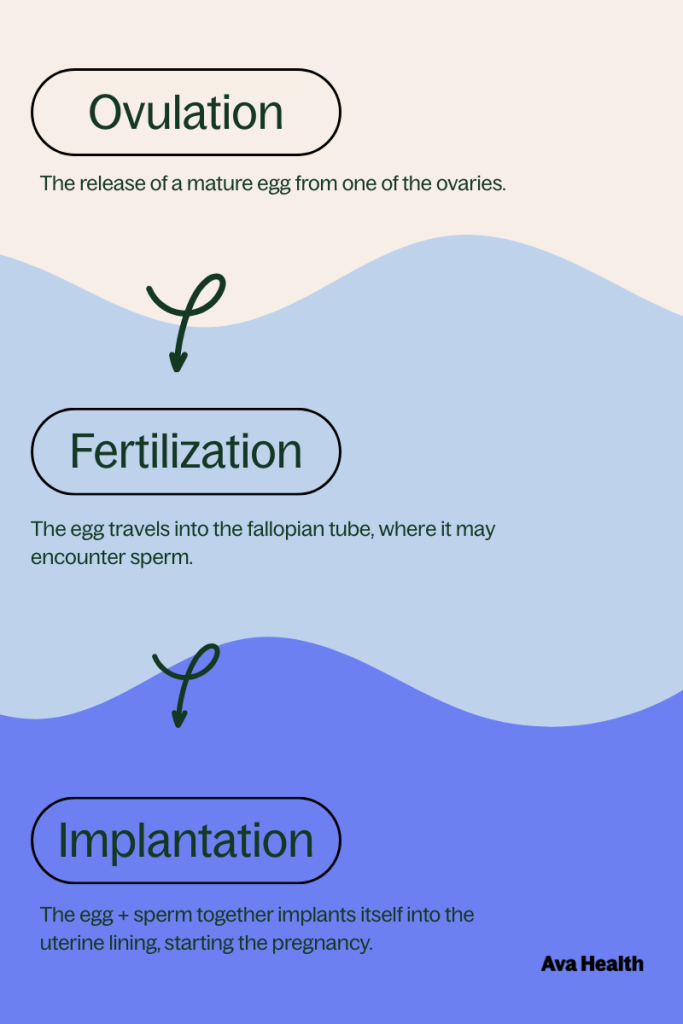
Pregnancy begins when the sperm from a male and an egg cell from a female come together, resulting in the fertilization and implantation of the egg cell. This process involves several key steps:
1. Ovulation
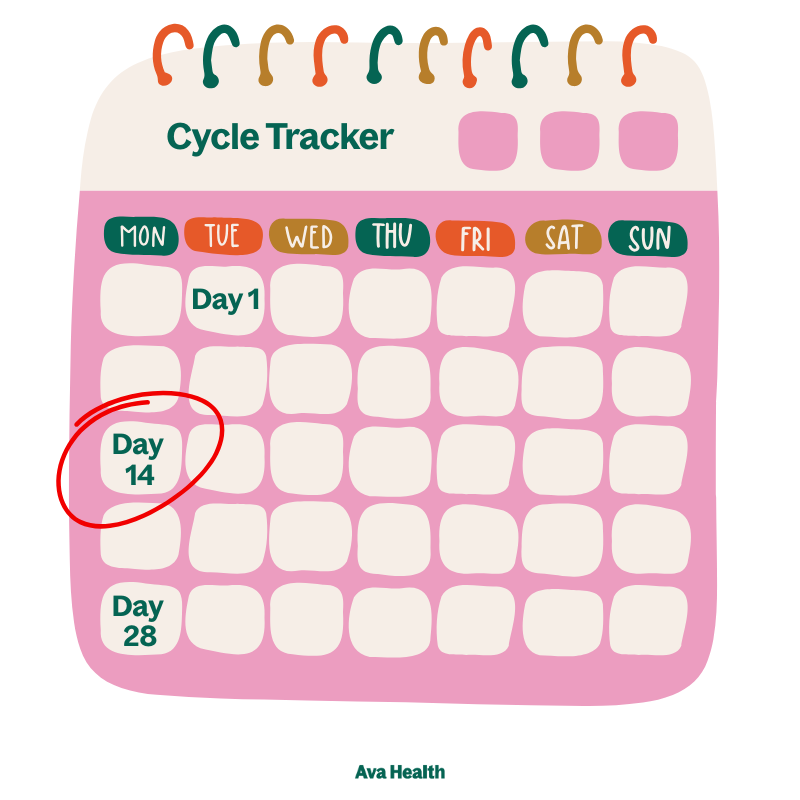
Ovulation is when a fully developed egg cell is released from one of the ovaries. This typically occurs midway through the your cycle, around day 14 in a 28-day cycle, but can be earlier or later, depending on your body. Stress, sickness, travel, and lifestyle factors can also impact when you ovulate.
2. Fertilization
After ovulation, the egg travels into the fallopian tube, where it may encounter sperm. Sperm can survive in the female reproductive tract for up to five days; this means, even if you had sex 4 days ago, and were not ovulating, sperm could still be ready to fertilize an egg cell if you’re ovulating now.
3. Implantation
Around 6 to 10 days after fertilization, the fertilized egg cell implants itself into the uterine lining, releasing hormones that signal the body to maintain the lining and support pregnancy.
Successful implantation marks the true beginning of pregnancy and leads to the release of human chorionic gonadotropin (hCG), the hormone detected by pregnancy tests.
How do I know when i'm fertile?
Understanding and monitoring ovulation can aid in both achieving and preventing pregnancy. Several methods can help track ovulation:
Basal Body Temperature (BBT)
BBT is the body’s normal resting temperature. A slight increase in BBT, typically around 0.5 to 1 degree Fahrenheit, can indicate that you’re ovulating. By charting daily temperatures over several months, women can identify patterns in their ovulation cycles and predict when they are going to be fertile.
Cervical Mucus Monitoring
Changes in cervical mucus can also be a signal that you’re ovulating. Leading up to ovulation, cervical mucus (the mucus that you discharge from your vagina) becomes clear, stretchy, and resembles raw egg whites, indicating increased fertility. Monitoring these changes daily can help pinpoint your most fertile days.
Ovulation Predictor Kits (OPKs)
OPKs detect the surge in luteinizing hormone (LH) that comes right before ovulation. A positive result suggests that ovulation is likely to occur within the next 12 to 36 hours, helping you time intercourse or insemination appropriately.
Calendar Method
Tracking your cycle over several months can help you estimate when you’re the most fertile. While less precise than other methods, combining calendar tracking with other things such as BBT and cervical mucus observations can improve accuracy.
What factors affect fertility?
Several factors can influence an individual’s fertility such as:
Age
A woman’s fertility naturally declines with age, particularly after the age of 35. This decline affects both egg quality and quantity. Men also experience a gradual decline in fertility with age, though it is less dramatic.
Health and Lifestyle
Chronic conditions can also affect fertility:
- Polycystic Ovary Syndrome (PCOS)
- Endometriosis
- Thyroid Disorders
- Pelvic Inflammatory Disease (PID)
Lifestyle factors such as smoking, excessive alcohol consumption, poor diet, high stress levels, and obesity can also reduce fertility in both men and women.
Environmental Factors
Exposure to environmental toxins like pesticides, heavy metals, and radiation can impair fertility. Choosing a healthy environment that avoids or reduces these factors can enhance your reproductive health.
Frequency of Intercourse
Regular intercourse during the fertile window (the five days leading up to ovulation and the day of ovulation itself) increases the chances of conception. Experts often recommend intercourse every 1–2 days during this window for the best results.
Birth Control and Pregnancy Prevention
1. Hormonal Methods
- Birth Control Pills: Release synthetic hormones to prevent ovulation.
- Patches, Injections, and Implants: Deliver hormones over time to inhibit ovulation and thicken cervical mucus, making it harder for sperm to reach an egg.
2. Barrier Methods
- Condoms: Prevent sperm from entering the uterus
- Diaphragms and Cervical Caps: Cover the cervix to block sperm entry
3. Intrauterine Devices (IUDs)
- Hormonal IUDs: Release hormones to prevent ovulation and thicken cervical mucus.
- Copper IUDs: Release copper ions toxic to sperm, preventing fertilization.
4. Natural Methods
- Fertility Awareness Methods (FAMs): Involve tracking ovulation signs and avoiding intercourse during fertile windows.
- Withdrawal Method: Involves pulling out before ejaculation but is less reliable.
Each method varies in effectiveness. Using two methods (e.g., condoms plus hormonal contraception) increases effectiveness.
Assisted Reproductive Technologies (ART)
For individuals facing fertility challenges, ART offers potential alternatives to getting pregnant:
In Vitro Fertilization (IVF)
In IVF, eggs are retrieved from ovaries and fertilized with sperm in a laboratory. The resulting embryo is then implanted into the uterus. IVF may involve hormone treatments to stimulate egg production.
Intrauterine Insemination (IUI)
During IUI, sperm is collected, concentrated, and directly inserted into the uterus around the time of ovulation. This method is less invasive than IVF and often used in cases of mild male infertility or unexplained infertility.
Donor Sperm, Eggs, and Embryos
For individuals or couples unable to conceive using their own genetic material, donor sperm, eggs, or embryos offer another option.
Surrogacy
In cases where pregnancy is not medically advisable, a surrogate may carry the baby for the intended parents. Surrogacy can be traditional (surrogate uses her own egg) or gestational (surrogate carries an embryo not genetically related to her).
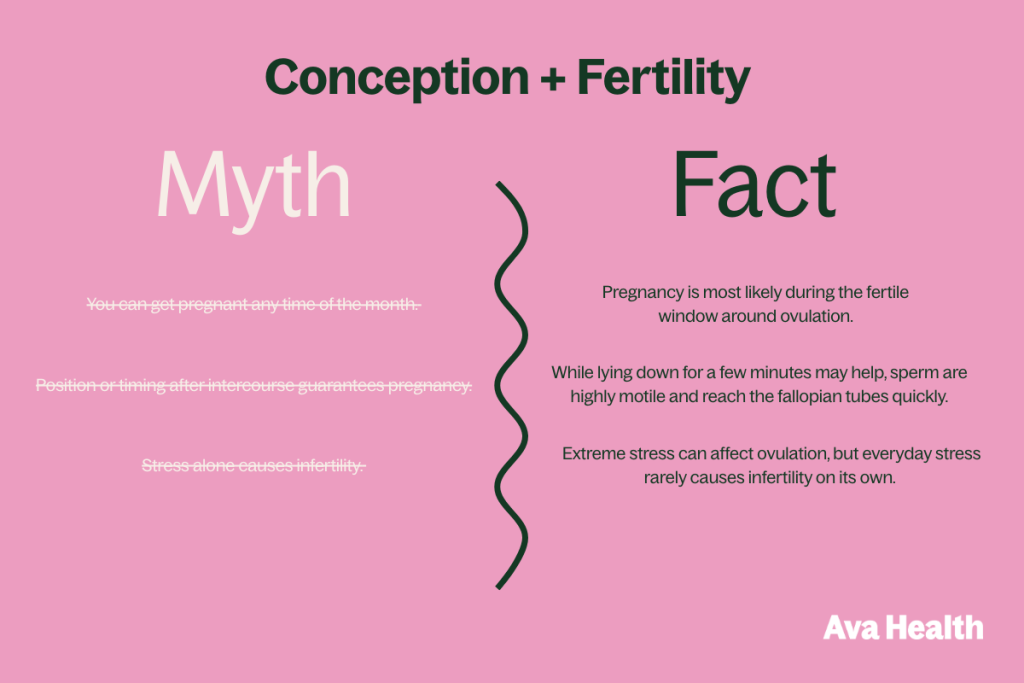
Common Myths About Conception
- Myth: You can get pregnant any time of the month.
Fact: Pregnancy is most likely during the fertile window around ovulation. - Myth: Birth control pills cause infertility.
Fact: Fertility typically returns quickly after stopping hormonal birth control.
- Myth: Position or timing after intercourse guarantees pregnancy.
Fact: While lying down for a few minutes may help, sperm are highly motile and reach the fallopian tubes quickly.
- Myth: Stress alone causes infertility.
Fact: Extreme stress can affect ovulation, but everyday stress rarely causes infertility on its own.
Sources
- American College of Obstetricians and Gynecologists. ACOG. American College of Obstetricians and Gynecologists, 2024, https://www.acog.org.
- Centers for Disease Control and Prevention. “Assisted Reproductive Technology (ART).” CDC, 6 Nov. 2023, https://www.cdc.gov/art/index.html.
- Mayo Clinic Staff. “Pregnancy Week by Week: Conception.” Mayo Clinic, Mayo Foundation for Medical Education and Research, 14 Apr. 2024, https://www.mayoclinic.org/healthy-lifestyle/getting-pregnant/in-depth/prenatal-care/art-20045177.
- Office on Women’s Health. U.S. Department of Health and Human Services, 2024, https://www.womenshealth.gov.
- U.S. National Institutes of Health. NIH, U.S. Department of Health and Human Services, 2024, https://www.nih.gov.
- American Society for Reproductive Medicine. ASRM, 2024, https://www.asrm.org.
Share this Blog
Disclaimer: The content on this site is for informational purposes only and does not constitute medical advice. Ava Health does not refer for or perform abortions. All medical information is accurate at the time of publishing.
Medically Reviewed By:

Anka Radutiu, BSN, RN
Other Articles You Might Be Interested In

What is Pelvic Inflammatory Disease (PID) and How is it Caused?