
Facing an unexpected pregnancy can feel overwhelming. Many people have questions about abortion — ranging from medical and safety concerns to emotional and legal issues — but don’t feel comfortable asking them out loud. Silence leaves room for myths, misinformation, shame, and fear.
At Ava Health, our goal is to provide medically accurate, unbiased, and compassionate answers to help you feel informed and supported as you explore your options. While we do not provide or refer for abortion services, we do offer free, confidential resources and education so you can make decisions with confidence.
In this post, we’ll walk through many of the common questions people often are too afraid to ask — and provide clear, caring answers rooted in the best available evidence and standards of care.
Table of Contents
- What do people usually mean by “abortion”?
- How do I know whether abortion is even an option for me?
- What’s the difference between medication and surgical abortion?
- Is abortion safe — and what are the risks?
- What can I expect during and after the procedure?
- Will I be able to have children later?
- Is there a waiting period or legal restriction?
- How much does abortion cost?
- Can I get it if I live in a restrictive state or rural area?
- What about confidentiality and privacy?
- What emotional or mental health effects should I anticipate?
- What support can help me before, during, and after?
- How do I find trustworthy, accurate information?
- What if I’m too afraid to ask in person?
- Summary & Key Takeaways
1. What do people usually mean by “abortion”?
In medical terms, abortion refers to the intentional termination of a pregnancy. That definition applies regardless of the reason, method, or timing.
However, culturally and politically, “abortion” carries many meanings, assumptions, and stigma. Because of that, people may hesitate to use the word or ask questions.
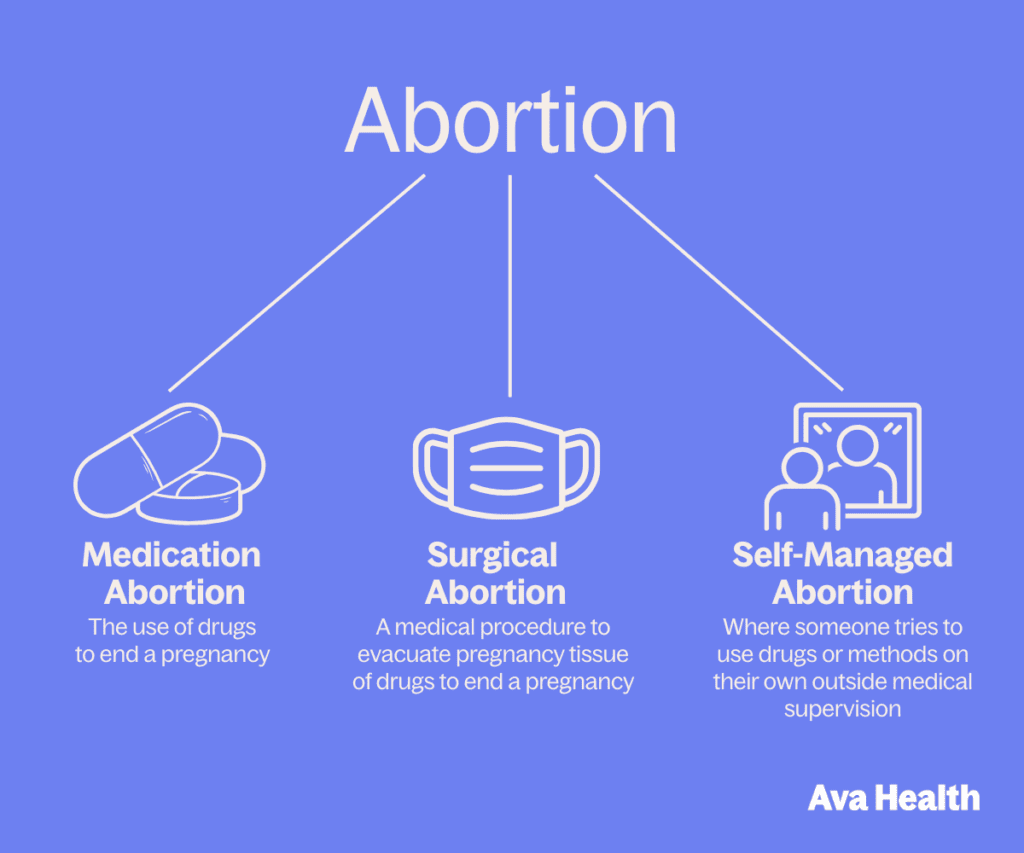
Tip: When you see or hear “abortion,” consider whether the conversation refers to:
- Medication (medical) abortion — the use of drugs to end a pregnancy
- Surgical abortion — a medical procedure to evacuate pregnancy tissue
- Self-managed abortion — where someone tries to use drugs or methods on their own outside medical supervision
Understanding those distinctions can help you ask better, clearer questions — and help providers or support people respond more helpfully.
2. How do I know whether abortion is even an option for me?
Abortion is not possible or recommended in every situation. Here are key factors that affect eligibility and safety:
- Gestational age (how many weeks into pregnancy): Many methods of abortion (especially medication abortion) are only available up to a certain point in the pregnancy.
- Type and health of pregnancy: If the pregnancy is ectopic (i.e. located outside the uterus), abortion pills will not work and can be dangerous.
- Health conditions / contraindications: Some medical conditions or medications may make abortion riskier or require special protocols.
- State laws and access: Local laws, clinic availability, and funding rules vary.
- Access to follow-up medical care: Because complications do happen, access to medical care is important.
If you’re unsure whether abortion is an option for you, a qualified medical professional can help assess your situation. Ava offers free pregnancy testing and limited ultrasounds to help you get the information you need.
3. What’s the difference between medication and surgical abortion?
Medication Abortion
What it is
- A medication abortion uses a combination of mifepristone and misoprostol to end an early pregnancy.
How it works
- Mifepristone blocks progesterone, which causes the pregnancy to detach.
- Misoprostol, taken 24–48 hours later, causes contractions to expel the tissue.
When it’s used / eligibility
- Generally approved for use up to 10 weeks gestation (70 days) though in some jurisdictions the limit may be stricter.
Pros
- Noninvasive
- More privacy (can complete part at home)
- No anesthesia
Cons / risks
- Heavy bleeding
- Incomplete abortion (may need follow-up surgical procedure)
- Potential side effects like nausea, fever, GI upset
- Risk of complications
Notes & cautions
- The U.S. FDA warns against purchasing abortion pills outside of regulated distribution systems, because of the safety protocols that are bypassed when obtaining them online or from unverified sources.
Surgical Abortion
What it is
- A procedure performed in a clinical setting (clinic or hospital) by a trained provider using instruments and suction.
Types / methods
- Vacuum aspiration (suction) — commonly used in early to mid pregnancies.
- Dilation & curettage (D&C) or dilation & evacuation (D&E) — for mid-second-trimester procedures.
When it’s used / eligibility
- Can often be performed later than medication methods, depending on local laws and provider capabilities.
Pros
- Often faster, more immediate
- More controlled environment
- Less risk of an incomplete procedure
Cons / risks
- Requires anesthesia or sedation
- Slightly higher risk of certain complications (infection, uterine perforation, cervical injury)
- Longer recovery time
Notes & cautions
- As with any medical procedure, the experience depends on the provider, facility, and the patient’s individual health.
In summary: Medication abortion is less invasive and more private, but has higher chance of needing follow-up. Surgical abortion is more controlled. Contact your provider or schedule an appointment with Ava Health today if you have more questions!
4. Is abortion safe — and what are the risks?
This is one of the most common concerns. The short answer: it depends on your values and if you believe life begins at conception. If you do, abortion is unsafe for the fetus being aborted, but is often effective for the woman carrying.
What is Widely Accepted
- Major medical organizations often consider abortion a component of comprehensive reproductive health care. However– this shouldn’t dictate your opinion without doing the proper research and education.
- Complication rates are lowered when an abortion is performed by trained professionals in a medically supervised environment.
Possible risks and complications
|
Risk / complication |
Description / potential |
How common / notes |
|
Heavy or prolonged bleeding |
Excessive bleeding may require medical intervention |
Uncommon but known risk |
|
Incomplete abortion |
Some pregnancy tissue remains; may need surgical follow-up |
More likely in medication abortions |
|
Infection / sepsis |
Bacterial infection of the uterus or surrounding tissue |
Low risk if proper procedures and antibiotics are followed |
|
Uterine perforation |
An instrument may puncture the uterine wall |
Very uncommon |
|
Damage to cervix / uterine lining |
Possible scar tissue or structural changes |
Also uncommon, depends on procedure and management |
|
Allergic reactions |
Reaction to medications used |
Uncommon |
|
Emotional / psychological impacts |
Guilt, grief, anxiety, etc. |
Variable depending on the individual |
Importantly, many risks are minimized in clinical settings with sterile techniques, proper screening, access to follow-up care, and trained providers.
When to seek medical attention:
If after an abortion (medication or surgical) you experience:
- Fever > 100.4°F (38 °C) lasting more than 24 hours
- Heavy bleeding soaking more than two maxi-pads per hour for more than two hours
- Foul-smelling discharge
- Severe abdominal pain or cramping that doesn’t improve
- Dizziness or fainting
Get evaluated right away by your nearest emergency medical services.
5. What is each procedure like?
Knowing what’s typical helps make an informed decision. Everyone’s experience is different, but here’s a general outline.
Medication Abortion
- First dose (Mifepristone)
This is typically given in a clinical setting or under provider supervision. - Second dose (Misoprostol, 24–48 hours later)
Taken at home (depending on local rules and provider policy). - Cramping & bleeding
Strong cramping and bleeding (heavier than a period) begin, often with passage of clots and tissue. - Completion / follow-up
A follow-up appointment or ultrasound may be done to ensure the pregnancy was fully terminated. - Recovery timeline
Most physical recovery takes days to a couple of weeks; light bleeding or spotting can persist for a short period.
Surgical Abortion
- Preparation
Medication is taken to soften or dilate the cervix, as well as anesthesia or sedation. - Procedure
The actual procedure (suction/D&C/D&E) often takes 10–30 minutes depending on gestational age of the pregnancy. - Observation / recovery
Observation happens for a few hours afterwards to monitor bleeding, vital signs, and comfort. - Going home & recovery
Mild cramping and spotting are common. - Follow-up
A check-up may be scheduled to confirm the procedure was complete and address any complications.
Common side effects
- Cramping
- Spotting or bleeding
- Nausea
- Fatigue
- Sensitivity or emotional fluctuation
What is not normal (warning signs)
- Fever > 100.4°F (38 °C) lasting more than 24 hours
- Heavy bleeding soaking more than two maxi-pads per hour for more than two hours
- Foul-smelling discharge
- Severe abdominal pain or cramping that doesn’t improve
- Dizziness or fainting
If you are experiencing any of these after an abortion, call 911 or go to your nearest emergency medical service immediately.
6. Does abortion affect fertility?
What the data shows
- For the vast majority of people who have an uncomplicated abortion, fertility is unaffected.
- However, complications — particularly untreated infections, scarring, or injury — can negatively affect fertility.
- Surgical abortions done by inexperienced providers or in unsupervised settings carry more risk.
- Repeat surgical procedures may slightly increase risk of uterine lining damage (e.g. Asherman’s syndrome).
So while fertility after abortion is usually preserved, that outcome is not guaranteed in every scenario — which is why learning about your options is important. Call or schedule online with Ava Health if you have more questions!
7. Is there a waiting period or legal restriction?
This depends heavily on where you live. Laws vary widely from state to state.
For example:
- Some states require waiting periods (e.g. 24–72 hours) between counseling and the procedure.
- Some states impose gestational limits (i.e. you cannot legally have an abortion past a certain week).
- Some require parental consent or notification for minors.
- Other laws may mandate ultrasounds or counseling scripts
- Some states restrict medication abortion availability or require in-person dispensing of mifepristone.
In Oregon (where Ava Health operates), there currently are no restrictions on abortion in terms of gestational limits under state law.
Because laws change, it’s critical to check current regulations in your jurisdiction and consult trusted sources or local clinics.
8. How much does abortion cost?
Cost is a large concern people have about abortion. Again, it depends on many variables:
- Type of abortion (medication vs surgical)
- Gestational age
- Clinic or hospital vs a specialized facility
- Use of anesthesia
- Insurance coverage or public funding
- Additional services (ultrasound, labs, follow-up care)
In many parts of the U.S., the cost can range from several hundred to over a thousand dollars. Some clinics apply sliding-scale pricing or offer financial assistance; public programs in some states help cover costs.
Because Ava Health does not perform or refer for abortion services, we do not provide cost estimates or financial aid for abortion itself. But we can help you find accurate, up-to-date local resources and referrals to learn more about your pregnancy options.
9. Can women get abortions if they live in a restrictive state or rural area?
Access to abortion can become much harder in places with limited clinics, travel distances, and restrictive laws. Some of the challenges include:
- Long travel time or lack of local providers
- Need for overnight stays
- Jurisdictional restrictions (e.g. crossing state lines)
- Delays caused by legal requirements (waiting periods, mandatory counseling)
- Costs and logistics of seeking care far from home
Some people in restrictive areas explore self-managed abortion — obtaining abortion pills online or through informal networks. This path carries substantial risks, especially if done without medical supervision, with use of unverified sources, or inability to access emergency care.
10. What about confidentiality and privacy?
Many people worry their abortion or their desire for abortion might become known to others (family, employers, insurers). Here’s what you should know:
- Medical confidentiality (doctor-patient privilege) typically protects your privacy — providers are legally required to keep medical records private (with exceptions for certain mandated reporting).
- Some states allow providers to release medical information upon subpoena, or require retention of records — but usually with protections in place.
- For minors, parental consent or notification laws may affect confidentiality in some states.
- If you are using private insurance, explanations or billing could sometimes reveal pregnancy-related services.
- Clinics and telehealth services often use privacy protocols and discreet communication systems.
- You can ask your provider beforehand how they manage privacy and whether an appointment or procedure can be conducted discreetly.
If confidentiality is a serious concern for your situation, talk to a clinic or service ahead of time about how they protect patient data, records, and billing privacy.
11. What do emotional or mental health effects look like?
Abortion is a deeply personal experience, and emotional reactions vary widely. There is no single “right” response. Some common emotional responses include:
- Relief
- Sadness or grief
- Guilt or regret
- Anxiety
- Emotional fluctuations
- Sleeplessness or mood changes
- Relief mixed with sadness
Many people feel a mixture of relief and grief, especially over time. Some find therapy, support groups, or peer support helpful.
It’s also important to recognize pre-existing mental health conditions or stressors may shape the experience more heavily. If you have a history of depression, anxiety, or prior trauma, seeking mental health support is especially important.
No one should feel ashamed or judged for having complex feelings — the decision is yours, and it’s okay to ask for help.

12. What care exists before, during, and after the procedure?
Support is a critical piece of navigating any decision about pregnancy.
- Trusted friend or family — someone who listens without judgment
- Counseling or therapy — emotional processing before or after
- Peer support groups — hearing from others who have faced similar choices
- Hotlines and resource networks — many local and national organizations provide confidential support
- Medical support — follow-up appointments, symptom monitoring
- Self-care practices — rest, nutrition, journaling, gentle movement
At Ava, we offer free, confidential care and education — including pregnancy testing, limited ultrasounds, and options discussion — to support you. While we cannot refer for abortion services, we strive to empower you with accurate information about your pregnancy options.
13. How do I find trustworthy, accurate information?
This is one of the most important and hardest questions. Misinformation about abortion is widespread.
Here’s how to tell the difference:
- Check the source — refer to medical organizations that consider the whole of you, and don’t omit or add information based on an agenda.
- Look for transparency — do they list references, authors, publication dates?
- Avoid clickbait or extreme framing — sensationalized language often signals bias.
- Cross-check claims — compare what you read with multiple reputable sources.
- Consult medical providers — get questions answered by professionals with training.
- Be cautious with online pills or services that bypass regulatory safeguards — they may be unsafe or illegal.
14. What if I’m too afraid to ask in person?
Many people hesitate to bring up these questions to a health provider, partner, or friend. Here are ideas for how you can still get answers:
- Use online chat or anonymous hotlines from trusted clinics or organizations, such as Ava Health’s texting option to chat with a nurse.
- Bring a written list of questions to a clinic or appointment
- Use trusted websites with contact or “ask a nurse” features
- Talk with peer-support groups (in person or online) that focus on reproductive health
- Use private online forums (with caution) but verify claims
- Schedule a pre-visit consultation (phone or video) such as Ava Health’s telehealth services
- Request to talk privately with a provider (many clinics welcome that)
Your questions are valid — you deserve respectful answers in a supportive space.
15. Summary & Key Takeaways
- Many people have unanswered or unspoken questions about abortion — that’s normal.
- Abortion broadly includes medication abortion, surgical abortion, and other self-managed forms.
- Eligibility depends on gestational age, pregnancy health, medical conditions, and local laws.
- Abortion is considered to be effective when done under medical supervision, though risks exist.
- Recovery varies, and emotional responses differ from person to person.
- Fertility is usually preserved, though complications can affect it.
- Laws, costs, access, and privacy protections vary widely by region.
- Support (emotional, medical, informational) is key before, during, and after.
- Seek information from clinical, verified, up-to-date sources.
- There are many confidential ways to get trustworthy answers.
Final Thoughts
No one should feel judged or shamed for asking difficult questions. Knowledge is power — when you get accurate, compassionate answers, you can make decisions from a place of informed strength.
At Ava Health, we believe in supporting you with dignity, respect, and free, medically accurate care and education. If you want to talk further, schedule a visit, or ask more questions, we’re here for you.
Note: This blog post is for informational purposes only and does not constitute medical advice. Ava Health does not refer for or perform abortions. All medical information is accurate at the time of publishing this blog.
Sources
Ava Health. Abortion Options. Ava Health, 2025, https://avahealthpdx.org/abortion-options/.
Ava Health. Types of Abortion. Ava Health, 2025, https://avahealthpdx.org/types-of-abortion/.
Ava Health. Your Options: Understanding Abortion Procedures and Risks. Ava Health, 4 Mar. 2025, https://avahealthpdx.org/wp-content/uploads/2025/03/2025.03.04.Abortion.pdf.
U.S. Food and Drug Administration (FDA). Mifepristone (Mifeprex). FDA, 2017, https://www.fda.gov/drugs/postmarket-drug-safety-information-patients-and-providers/mifepristone-mifeprex.
Mayo Clinic. Dilation and Curettage (D&C). Mayo Clinic, 2023, https://www.mayoclinic.org/tests-procedures/dilation-and-curettage/about/pac-20384910.
Women’s Choice Resource Center. Abortion FAQs: Costs and Procedures. Women’s Choice, 2025, https://womenschoice.care/abortion-faqs.