- Ava Health
It’s completely natural to feel frustrated or confused when your body doesn’t respond the way you expect. For many women, Polycystic Ovary Syndrome (PCOS) can make weight loss feel like an uphill climb — even when you’re eating well and staying active.
You’re not imagining it. The challenges are real, but they’re also manageable with understanding, patience, and the right support. Every woman’s body is unique, and finding what works for yours begins with compassion — not criticism.
Table of Contents
What Is PCOS and How Does It Affect the Body?
PCOS is one of the most common hormonal conditions among women of reproductive age. It affects how the ovaries function and how hormones like insulin, estrogen, and progesterone work together.
When these hormones are out of balance, the body can experience changes such as irregular cycles, acne, excess hair growth, or weight gain — especially around the abdomen.
At its core, PCOS is linked to insulin resistance, which means your cells don’t respond as effectively to insulin. This makes it harder for your body to use glucose for energy, often leading to higher insulin levels and increased fat storage.
Why PCOS Makes Weight Loss More Difficult
Many women wonder, “Why can’t I lose weight with PCOS even when I’m doing everything right?”
Here’s why:
1. Insulin Resistance and Blood Sugar Fluctuations
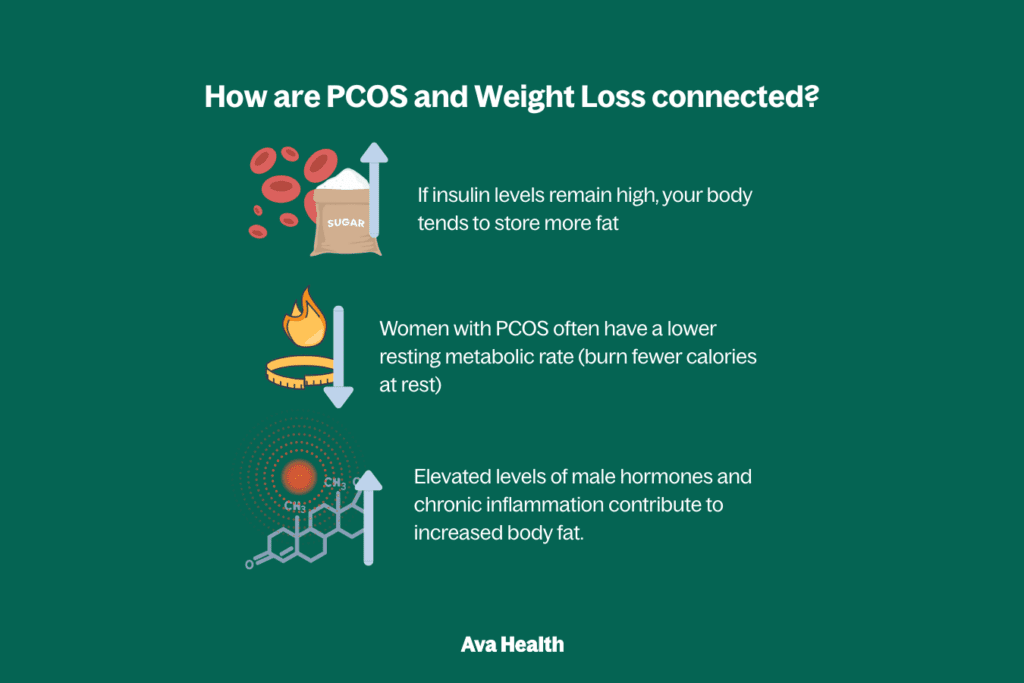
When insulin levels remain high, your body tends to store more fat — especially around the midsection. This not only makes weight loss harder but can also increase sugar cravings and energy crashes.
2. Slower Metabolism
Research shows that women with PCOS often have a lower resting metabolic rate, meaning they burn fewer calories at rest compared to women without PCOS.
3. Hormonal Imbalance and Inflammation
Elevated levels of androgens (male hormones like testosterone) can contribute to increased body fat and muscle changes. Chronic inflammation — often associated with PCOS — may further slow metabolism and make the body more resistant to fat loss.
4. Stress and Cortisol Levels
High cortisol levels (the stress hormone) can interfere with weight regulation and trigger emotional eating patterns.
Understanding these factors can bring relief — because it reminds you this isn’t a matter of willpower. Your body is doing its best under complex hormonal circumstances.
Supporting Weight Loss with PCOS: Gentle and Sustainable Strategies
The path to balance looks different for everyone, but small, steady changes often make the biggest difference. Here are practical, compassionate ways to support your health naturally.
1. Focus on Blood Sugar Balance
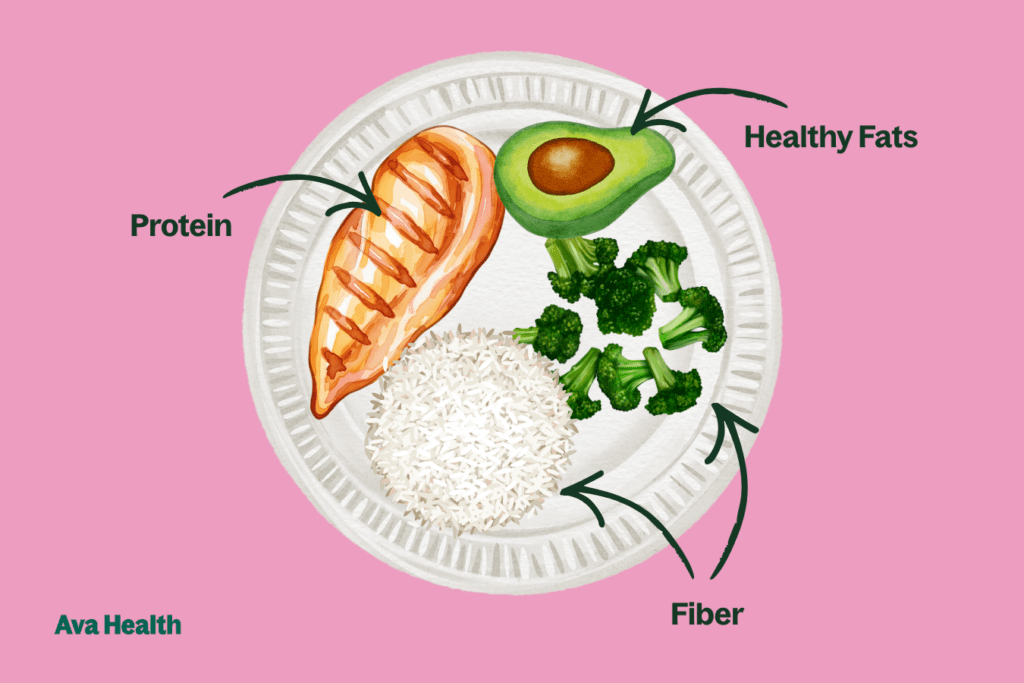
Instead of restrictive dieting, try pairing complex carbohydrates with protein and healthy fats. This combination helps stabilize energy and prevent blood sugar spikes.
- Choose foods like quinoa, leafy greens, lentils, and berries.
- Eat balanced meals regularly to avoid hunger-driven cravings.
2. Prioritize Anti-Inflammatory Nutrition
An anti-inflammatory diet can help calm hormonal imbalances. Focus on whole, colorful foods:
- Wild-caught fish, olive oil, avocados
- Nuts, seeds, and high-fiber vegetables
- Limit processed foods, added sugars, and refined flours
3. Move with Joy, Not Punishment
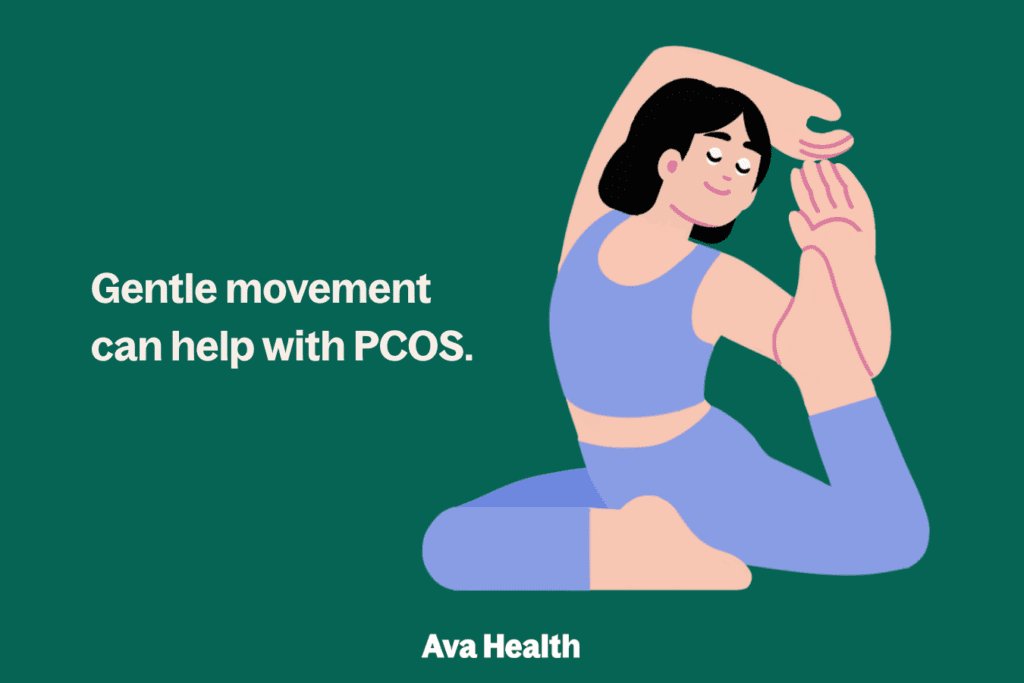
Movement is a form of self-care, not correction. Gentle activities like walking, yoga, cycling, or strength training can improve insulin sensitivity and boost mood.
Find what feels energizing — not exhausting. Consistency matters more than intensity.
4. Support Hormone Detoxification
Your liver and gut play essential roles in balancing hormones.
- Drink enough water daily.
- Eat fiber-rich foods to support digestion.
- Consider probiotics and fermented foods for gut health.
5. Prioritize Rest and Stress Management
Sleep and relaxation are not luxuries; they’re essential to hormone regulation.
- Aim for 7–9 hours of restful sleep.
- Practice breathing, journaling, or mindfulness techniques.
The Connection Between PCOS, Emotions, and Self-Image
Weight is often tied to self-worth in our culture, but your body deserves compassion — not comparison. PCOS can affect mood and self-esteem, especially when progress feels slow.
Gentle reminder: your value isn’t defined by a number on the scale. Healing happens in layers — physical, emotional, and spiritual.
Many women find comfort in talking with a compassionate healthcare provider or counselor who understands women’s hormonal health. Support makes the journey lighter and more sustainable.
Common Myths About PCOS and Weight Loss
Let’s clear up a few misconceptions that can add unnecessary pressure.
Myth #1: “You just need to eat less and work out more.”
For women with PCOS, traditional calorie-focused advice often misses the hormonal root causes. Healing requires balance, not restriction.
Myth #2: “PCOS makes it impossible to lose weight.”
While it may take longer, weight management is possible with the right approach — one that supports hormones, metabolism, and emotional well-being.
Myth #3: “Medication is the only answer.”
Medication can help some women, but lifestyle and nutritional changes are powerful tools too. Many find a combination of both works best.
Building a Sustainable Relationship with Food and Your Body
Healing from PCOS isn’t about perfection; it’s about partnership with your body. When you shift from fighting your body to supporting it, progress feels gentler and more natural.
Try asking yourself:
- “What does my body need today?”
- “How can I support my energy instead of draining it?”
- “What small step feels doable this week?”
Over time, these questions can reshape how you relate to food, movement, and self-care.
When to Seek Professional Guidance
If you’re feeling stuck or unsure where to begin, a provider who specializes in women’s hormone health can help create a plan tailored to you.
Reflecting with Compassion
Take a deep breath. You are not broken, and this season does not define your future.
Healing with PCOS takes time, but you are already moving toward balance by learning, listening, and taking care of yourself.
You are more than a diagnosis — you are a whole person with strength, beauty, and purpose.
Share this Blog
Disclaimer: The content on this site is for informational purposes only and does not constitute medical advice. Ava Health does not refer for or perform abortions. All medical information is accurate at the time of publishing.
Other Articles You Might Be Interested In
Implantation Bleeding vs. Your Period: Understanding the Difference