
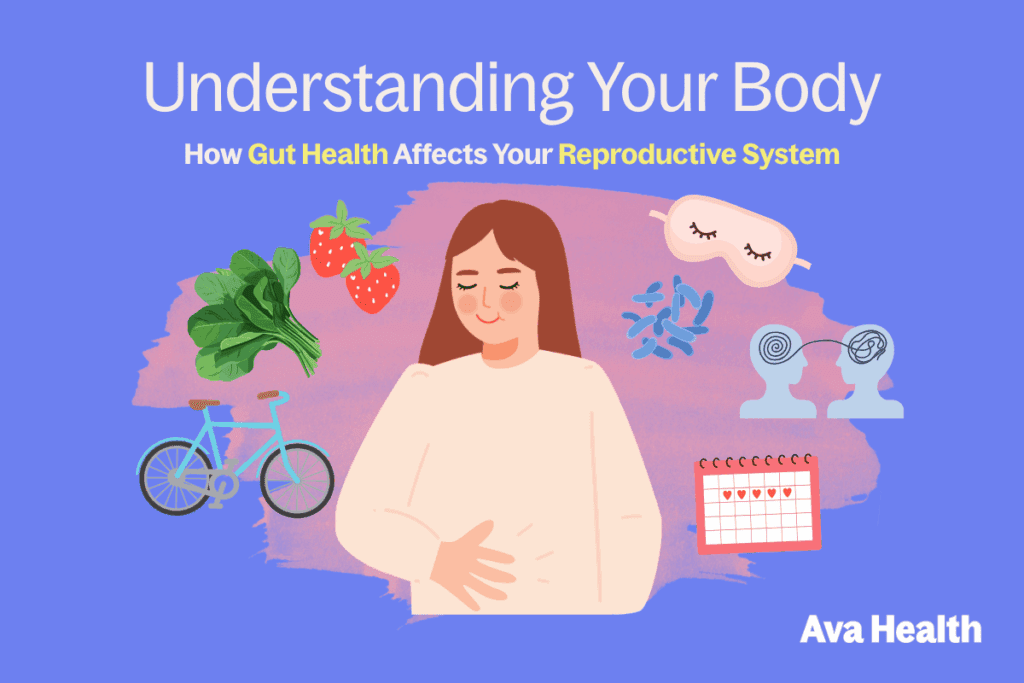
It’s okay to feel curious — or even a little overwhelmed — about how your gut health and reproductive system might be connected. You’re taking an important step by exploring this topic. Whatever your body is doing or needs, you don’t have to figure it all out alone.
What to Know — Information & Guidance
Before diving deep, here’s a simple overview of what’s happening: your digestive system is more than just digestion. The trillions of microbes in your gut — your gut microbiome — talk to your immune system, your hormones, and your body’s reproductive functions. Emerging research shows that when your gut community is out of balance (called “dysbiosis”), it can affect your fertility, hormonal health, menstrual cycle, and even pregnancy.
So by caring gently for your gut, you’re supporting your whole-body health — including your reproductive health.
You Matter, Your Body Matters
Your body isn’t failing you when things feel off; it’s communicating. When gut health, hormones, and reproductive systems interact, it’s part of a larger, wise design. Your cycles, your fertility, your ability to carry life (if you choose) — they all reflect your dignity, your purpose, your wellbeing. Supporting your gut is one way to support your story, your health, and your tomorrow.
Chapter 1: The Gut-Reproductive System Connection
What is the gut microbiome and why it matters
Your gut microbiome refers to the vast community of microorganisms (bacteria, fungi, viruses) living in your digestive tract. They do far more than digest food: they regulate immunity, metabolize nutrients, influence hormones, and communicate with other systems in your body.
How it connects to reproductive health
Recent studies reveal a system dubbed the gut-reproductive axis (or gut-gonadal axis) where gut microbiota influence reproductive function through hormone regulation, immune modulation, inflammation control, and metabolic pathways.
Examples include:
Why this matters
When your gut is out of balance:
- Hormones may become imbalanced (e.g., more estrogen dominance, altered progesterone, irregular cycles)
- Inflammation may increase, interfering with ovulation, sperm health, or embryo implantation
- Your immune system may be dysregulated, affecting fertility, menstrual pain, or pregnancy outcomes
- Nutrient deficiencies or poor absorption may impair reproductive organs and gamete health
Chapter 2: Key Mechanisms — How the Gut & Reproductive System Interact
Hormone-metabolism link
The gut influences how your body processes sex hormones. For example, the “estrobolome” (gut microbes that process estrogens) plays a part in estrogen balance. If this system is disrupted, estrogen may recycle more than it should or be cleared poorly, contributing to hormone-driven issues like PMS, endometriosis, PCOS.
Immune and inflammatory pathways
Gut dysbiosis can lead to increased gut permeability (“leaky gut”), low-grade inflammation, and immune activation. These changes can influence the reproductive tract — for instance, affecting the endometrium’s environment, or creating a milieu less favorable for conception or healthy pregnancy.
Metabolic health and fertility
Your gut’s role in nutrient absorption, energy balance, and metabolism ties directly into reproductive health. Conditions like insulin resistance, obesity, or metabolic syndrome often interlink with gut issues and also with fertility challenges.
Microbiome cross-talk
The gut’s microbial population may influence the reproductive tract’s microbiome (e.g., uterine or vaginal microbiota) through immune and signaling pathways. Some research suggests that gut microbial metabolites (short-chain fatty acids, vitamins, etc.) can impact endometrial function, sperm quality, or ovarian environment.
Chapter 3: What Research Tells Us — Emerging Evidence
Female reproductive health
- A recent review described how gut microbiome dysbiosis is linked with reproductive disorders such as PCOS, endometriosis, infertility and pregnancy complications.
- Another study points to the “gut-endometrial axis” showing how gut microbes may influence endometrial signaling, implantation, and fertility outcomes.
- Although much of the work is still correlational, findings are strong enough that gut health is increasingly discussed in fertility and gynecological care.
Male reproductive health
While less studied, there is evidence that the gut microbiome influences male gonadal function, sperm production, and hormone levels. Researchers describe a “gut-gonadal axis” for both sexes.
Fertility & pre-conception care
Practitioners of functional fertility medicine highlight that gut health is a modifiable factor when addressing fertility. For example, how medication, diet, stress, and microbiome interventions may improve outcomes.
Important caveats
- Many studies are still early-stage or in animal models; human causal data are less abundant.
- Gut health is just one piece of the fertility puzzle; genetics, age, lifestyle, environment, and reproductive anatomy also matter.
- Interventions targeting gut microbiome for reproductive health are promising but not yet standard of care
Chapter 4: Practical Steps — Supporting Your Gut for Reproductive Wellness
You don’t have to wait for perfect data to take gentle, practical steps that may help support your gut and reproductive health — informed by current science and compassionate self-care.
1. Diet & nutrition
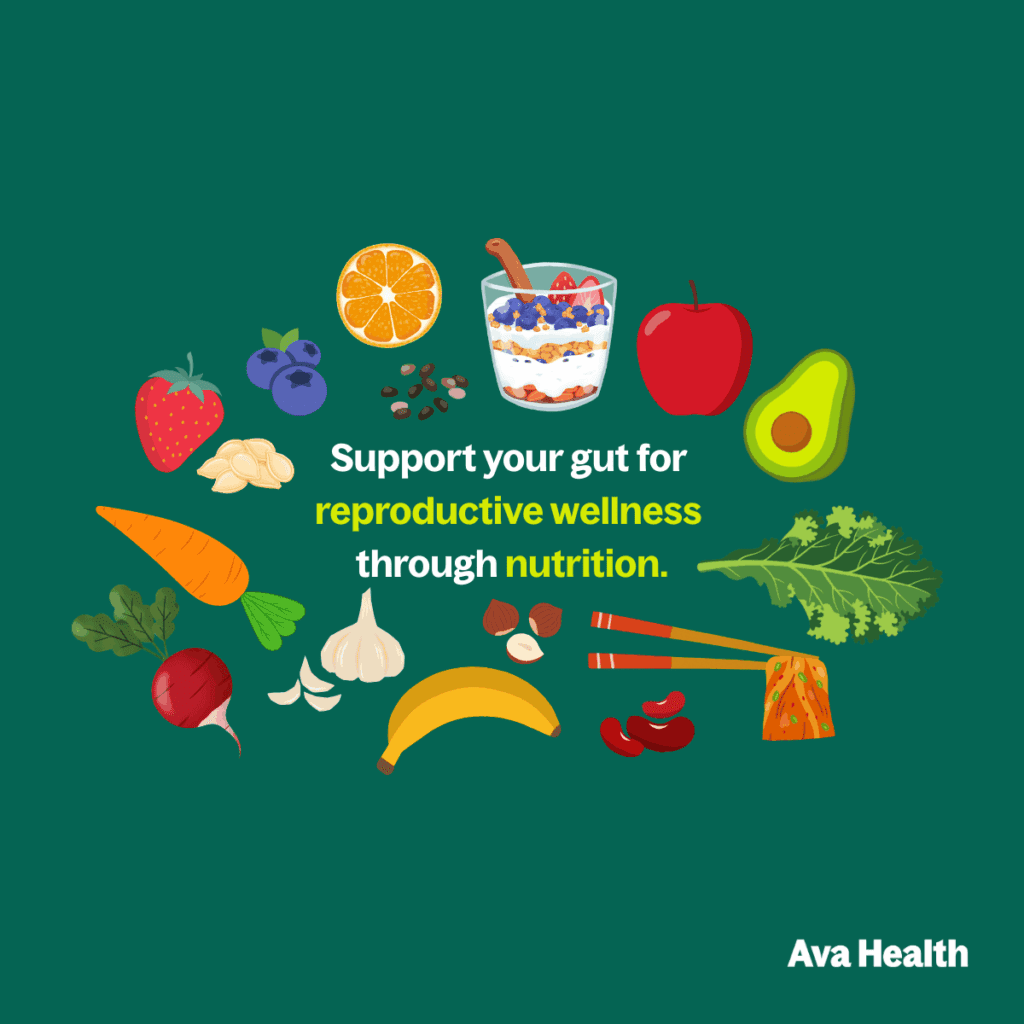
- Prioritize fiber-rich, whole-food plant-based foods: vegetables, fruits, legumes, whole grains, nuts and seeds. These feed beneficial gut bacteria and support diversity.
- Include fermented foods or probiotics (e.g., yogurt, kefir, sauerkraut, kimchi) to help build a healthy microbiome.
- Minimize ultra-processed foods, high sugar diets, excessive alcohol, or frequent antibiotic exposure — all of which can disrupt gut bacteria.
- Ensure you get adequate nutrients important for reproductive health (iron, folate, vitamin D, omega-3s, etc.) — a healthy gut helps you absorb them better.
2. Lifestyle & habits
- Move your body regularly: physical activity supports gut motility, microbial diversity, and hormonal balance.
- Manage stress: stress can alter gut-brain and gut-hormone pathways (think gut-brain axis) and thus indirectly impact reproductive health.
- Sleep well: good sleep supports the microbiome and hormone regulation.
- Avoid unnecessary antibiotic or medication use, unless medically indicated, because frequent disruption of gut flora can ripple into wider health.
- Maintain a healthy weight and body composition: extremes of low or high body weight can stress both gut and reproductive systems.
3. Gut-friendly practices
- Include prebiotic foods (like garlic, onions, asparagus, leeks, bananas, oats) that feed good bacteria.
- Consider probiotic supplements or guided use if you’ve had major gut disruptions (after discussing with a healthcare provider).
- If you have digestive symptoms (e.g., bloating, constipation, frequent antibiotics, IBS/IBD history), consider working with a gastroenterologist or functional-nutrition practitioner: “gut health for fertility” is a growing field.
- Hydration matters: water supports digestion and gut lining health.
4. Reproductive-specific support
- If you have known reproductive conditions (PCOS, endometriosis, unexplained infertility, low sperm count), ask your provider about whether gut health might be a contributing factor and whether gut-targeted interventions have been considered.
- Track not just menstrual or fertility signs, but also digestive symptoms: irregular cycles + gut trouble might point to a deeper link.
- If you’re traveling the path of fertility treatments (IVF, IUI) or planning pregnancy, integrate gut-health conversations early: better gut health may enhance outcomes.
5. When to seek professional support
- If you have chronic gut issues (e.g., IBS, IBD, chronic constipation/diarrhea) and you’re trying to conceive, you might need a specialized gut-reproductive health plan.
- If you have persistent infertility or recurrent pregnancy loss, ask your fertility or reproductive specialist about emerging research on gut-reproductive axis and whether a referral is appropriate.
- If you’re on medications that heavily affect gut flora, or you have metabolic syndrome, high inflammation, or known hormone disorders, your provider may suggest gut assessments or interventions.

Chapter 5: Common Questions and Myths — Answered
Q: “If I fix my gut, will I definitely improve my fertility?”
A: Not necessarily definite, but very likely beneficial. Improving gut health removes one barrier, supports hormone balance, and boosts your body’s resilience. Fertility depends on many factors (age, ovarian reserve/sperm quality, structural issues, partner health, etc.). Think of gut health as one important piece of the puzzle.
Q: “Can men benefit from gut-health interventions for fertility too?”
Yes. While much research focuses on women, the gut-gonadal axis applies to men as well: sperm health, hormone production, and testicular function may be influenced by gut microbes.
Q: “Do I need to take lots of expensive supplements or specialized probiotics?”
Not at first. Often, foundational diet + lifestyle shifts are the most impactful. Supplements can help if you have specific needs or deficiencies, but they don’t replace a healthy baseline.
Q: “Is there one probiotic that will fix everything?”
No. The microbiome is highly individual. What matters most is diversity, nourishment, and reducing harmful patterns (e.g., chronic inflammation, poor diet, stress). If using probiotics, do so under guidance.
Q: “My cycle is a little irregular — does that mean my gut is the culprit?”
Sometimes, but not always. An irregular cycle can come from many sources (stress, thyroid issues, weight changes, age, polycystic ovary syndrome). Gut health may contribute, but it’s wise to get a full assessment before assuming one cause.
Chapter 6: Why This Matters — Your Health, Your Future, Your Story
Supporting your gut health is more than a “nice to have.” It supports your well-being, your potential for healthy reproduction (if you choose that path), and your body’s resilience across the lifespan.
For many people, taking action on gut health can:
- Improve hormone balance and menstrual regularity
- Reduce inflammation and pain related to reproductive conditions (like endometriosis or PCOS)
- Enhance nutrient absorption to support pregnancy or healthy gametes
- Create a foundation of health that serves you before, during, and after potential pregnancy
This is not about perfection. It’s about honoring your body, listening to its signals, and giving it the support it deserves.
Note: This blog post is for informational purposes only and does not constitute medical advice. Ava Health does not refer for or perform abortions. All medical information is accurate at the time of publishing this blog.
