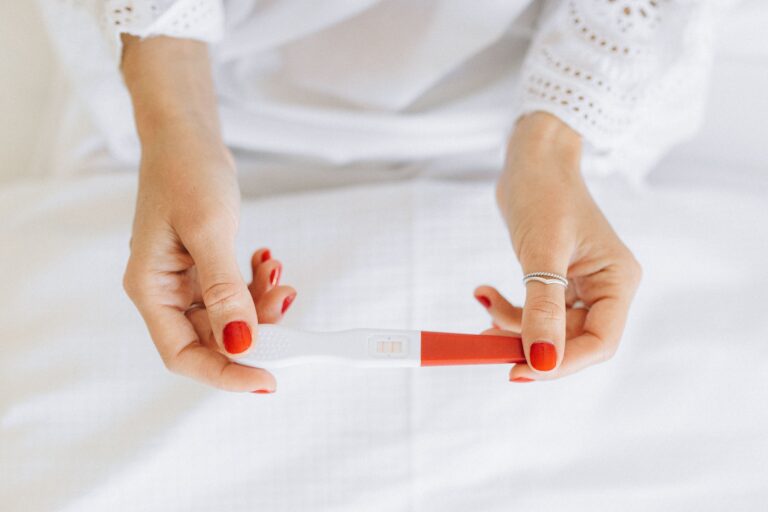
Could I Be Pregnant? Early Symptoms and How To Really Tell
- Medically Reviewed
- Last Updated
Late period? Strange symptoms you can’t explain? It might mean more than you think. Early pregnancy signs can be subtle, confusing, and easy to overlook—but understanding them can help you know what’s really going on.
Keep reading to learn the most common early pregnancy symptoms, when they begin, and exactly when to take a pregnancy test for the most reliable answer.
Want to know for sure?
Schedule an appointment with Ava for a free pregnancy test and know for sure whether you’re pregnant.
Why early signs occur
When a fertilized egg implants into the uterine lining, a whole bunch of hormonal shifts and physical changes begin. These changes lead to many of the early pregnancy symptoms people talk about. Because each body is unique and every pregnancy is different, there’s no one timeline that fits everyone; however, these are a few of the symptoms that many people experience early in their pregnancy.
What are the early signs of pregnancy?
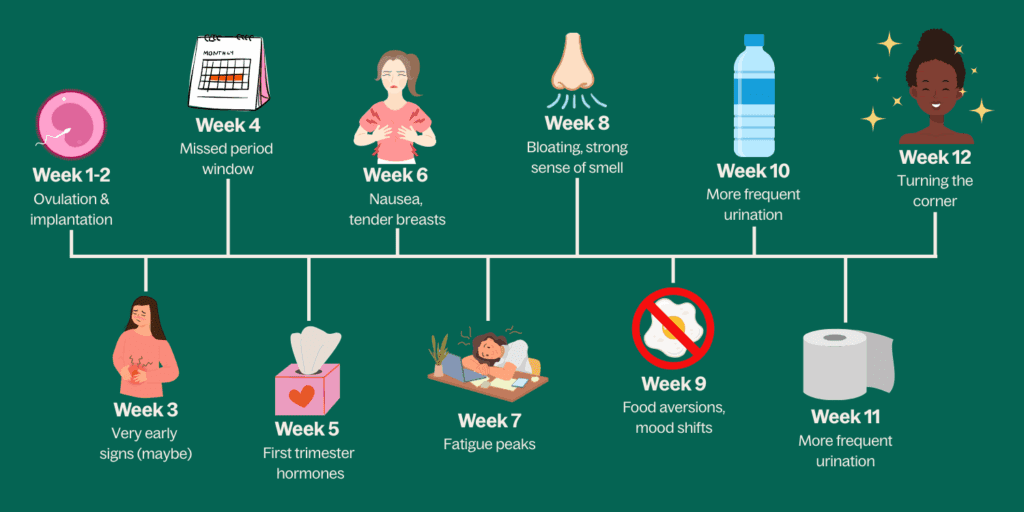
1. Missed Period
One of the most common and earliest indicators of pregnancy is a missed period. However, it’s really common that other things like stress, significant weight changes, or hormonal imbalances can also lead to missed periods. If you’ve missed a period, consider taking a pregnancy test and consulting with a healthcare provider or clinic. Early confirmation of a pregnancy can give you the most time to look at your options and make a decision.
2. Nausea and Vomiting
Often referred to as “morning sickness,” this nausea and vomiting can occur at any time of the day. These symptoms typically begin around the sixth week of pregnancy and may continue into the second trimester. Although unpleasant, they are generally harmless and are a sign of hormonal changes. Eating small, frequent meals, staying hydrated, and consuming ginger-based products may help with discomfort. In severe cases of morning sickness, also known as hyperemesis gravidarum, medical intervention may be necessary.
3. Tender and Swollen Breasts
Breast tenderness is one of the earliest signs of pregnancy and can begin just one to two weeks after conception. You may notice your breasts feel sore, heavy, or more sensitive than usual—especially around the nipples. Some women describe it as a tingling or aching sensation, similar to premenstrual symptoms but often more intense. Your breasts may also appear slightly fuller, and the areolas (the darker area around the nipples) can become darker or more pronounced. These changes are caused by rising hormone levels as your body begins to support a pregnancy. However, this by itself doesn’t mean you’re pregnant—breast discomfort is also a sign of PMS and shouldn’t be an indicator of pregnancy alone.
4. Fatigue
Increased levels of the hormone progesterone can lead to feelings of exhaustion. Fatigue during pregnancy is especially common during the first trimester. It’s crucial to listen to your body, rest when needed, and maintain a balanced diet to combat fatigue. Iron-rich foods can also support energy levels.
5. Frequent Urination
As the uterus expands, it places pressure on the bladder, leading to an increased need to use the bathroom. Hormonal changes also play a role in increasing blood flow to the pelvic area, intensifying this symptom. Staying hydrated is essential, though, whether you’re pregnant or not, so it’s best to just decrease fluid intake right before bed if you’re finding it hard to sleep.
6. Mood Swings
Hormonal fluctuations can impact neurotransmitters in the brain, leading to mood swings during pregnancy. It’s normal to experience a range of emotions during pregnancy.
7. Bloating
Hormonal changes can slow down the digestive system, leading to bloating. Wearing loose-fitting clothing and eating smaller meals throughout the day can reduce discomfort. Staying active and drinking plenty of water can also support digestion.
8. Light Spotting
Some women experience light spotting or implantation bleeding during the early weeks of pregnancy. This occurs when the fertilized egg attaches to the uterine lining. It’s typically lighter and shorter than a regular period. However, any bleeding should be discussed with a healthcare provider to rule out complications.
9. Less Common Signs of Pregnancy
- Slight dizziness or lightheadedness (due to blood pressure and blood volume changes)
- Metallic taste in the mouth
- Increase in vaginal discharge (thin, milky white)
- Heightened basal body temperature (if you’ve been charting)
- Nasal congestion (hormonal effect)
These may not happen for everyone—but noticing them can help you piece together what’s going on.
What do I do if I think i'm pregnant?
Some women begin to feel symptoms before they’ve missed a period. Others don’t notice anything until 6–8 weeks or later. Because symptoms can overlap with pre-menstrual symptoms (PMS) and other conditions, it’s important to treat what you notice as signals—not certainties.
What to do next
- If you missed your period, take a home pregnancy test (preferably first-morning urine).
- If test is positive, make an appointment with a provider or clinic for confirmation, dating, and next-step planning.
- If test is negative but symptoms persist and you still haven’t had a period, consider retesting in a few days or consulting a healthcare professional.
- Focus on self-care: enough rest, hydration, nutrient-rich foods, and support from someone you trust. A late period could be a sign of extreme stress, so caring for yourself should be your first priority.
How do I know if it's pregnancy or just my period?
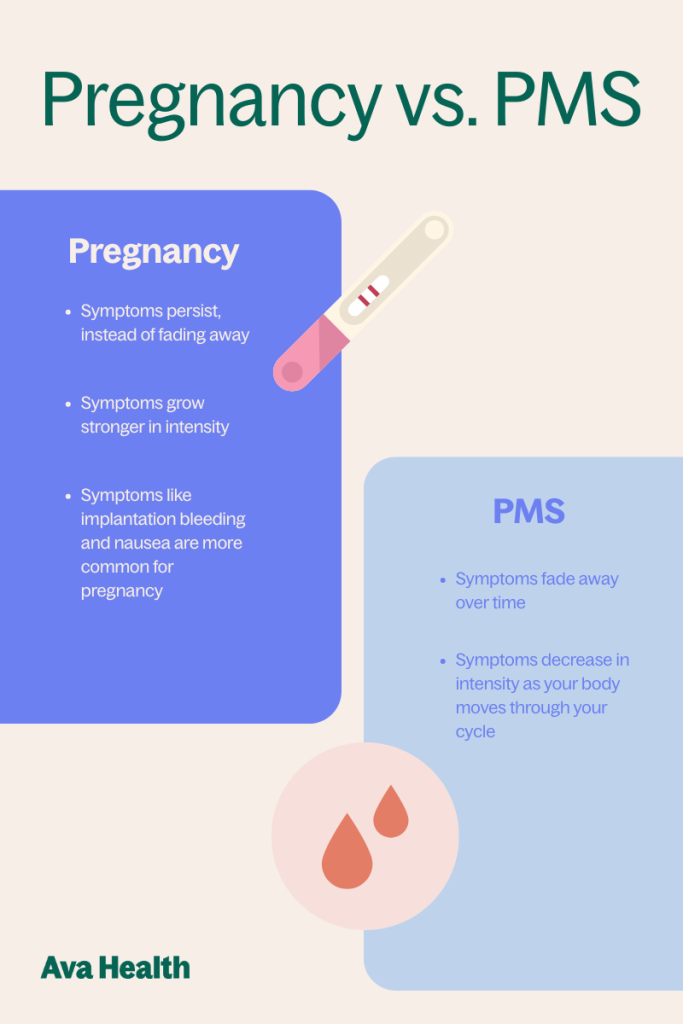
Because PMS and early pregnancy symptoms overlap (e.g., bloating, mood swings, breast tenderness), here’s how to distinguish them:
- Timing: Pregnancy symptoms often intensify instead of fading into a period.
- Duration: Pregnancy symptoms persist and grow stronger.
- Unique signs: Implantation bleeding (light spotting) and early (somewhat consistent) nausea are more unique to pregnancy.
If you’re unsure, the best way to find out is to take a test and consult a professional.
Emotional and Psychological Symptoms of Pregnancy
Pregnancy also can impact your mental health. Many women experience increased anxiety or feelings of depression during pregnancy. Support from partners, family, and healthcare providers is essential. If you feel overwhelmed or consistently low, don’t hesitate to seek mental health support. Early intervention can greatly improve your well-being.
When to Consult a Healthcare Provider
While many pregnancy symptoms are normal, it’s essential to consult a healthcare provider if you experience:
- Severe abdominal pain
- Severe vomiting
- Heavy bleeding
- Severe headaches
- Vision changes
- Sudden or severe swelling
- Decreased fetal movement (in the third trimester)
These could be signs of complications that require immediate attention, such as pre-eclampsia, gestational diabetes, or preterm labor.
Tips for Managing Pregnancy Symptoms
- Stay Hydrated: Drink plenty of water throughout the day.
- Balanced Nutrition: Focus on whole foods rich in vitamins and minerals.
- Rest When Needed: Listen to your body and rest when you feel tired.
- Gentle Exercise: Prenatal yoga and walking can alleviate many physical symptoms.
- Regular Checkups: Keep all prenatal appointments to monitor your health and your baby’s development.
TL;DR
- Early pregnancy signs include a missed period, nausea, fatigue, breast tenderness, and light spotting
- Symptoms can feel similar to PMS and vary from person to person
- Most signs begin after implantation, when hormone levels rise
- The most reliable way to know is to take a pregnancy test after a missed period
Sources
Mayo Clinic: Mayo Clinic Staff. “Pregnancy Symptoms: 10 Early Signs That You Might Be Pregnant.” Mayo Clinic, 15 Feb. 2023, https://www.mayoclinic.org/healthy-lifestyle/getting-pregnant/in-depth/pregnancy-symptoms/art-20043853. Accessed 30 Apr. 2025.
Cleveland Clinic: Cleveland Clinic. “Early Signs of Pregnancy.” Cleveland Clinic, 9 Aug. 2023, https://my.clevelandclinic.org/health/articles/9709-pregnancy-symptoms. Accessed 30 Apr. 2025.
Wondering if you might be pregnant?
Get free, confidential pregnancy testing + support.
Share this Blog
Disclaimer: The content on this site is for informational purposes only and does not constitute medical advice. Ava Health does not refer for or perform abortions. All medical information is accurate at the time of publishing.
Medically Reviewed By:

Anka Radutiu, BSN, RN
Other Articles You Might Be Interested In