- Ava Health
The weeks and months after childbirth are often described as joyful, bonding, and full of love. And while those moments can exist, many new parents quietly experience something very different. You may feel overwhelmed, disconnected, anxious, sad, or unlike yourself—and then feel guilty for feeling that way.
If you’re struggling after having a baby, it doesn’t mean you’re doing anything wrong. It means you’re human, and your body and mind are adjusting to profound change. Postpartum depression is common, treatable, and not a reflection of your worth or your love for your child. You are not alone, and support is available.
Table of Contents
What Is Postpartum Depression?
Postpartum depression (PPD) is a mood disorder that can occur after childbirth. It involves persistent feelings of sadness, anxiety, or emotional numbness that interfere with daily life and well-being.
Unlike the “baby blues,” which are mild and temporary, postpartum depression:
- Lasts longer than two weeks
- Feels more intense
- Does not resolve on its own without support
PPD can affect any woman who has given birth, regardless of age, background, or whether the pregnancy was planned.
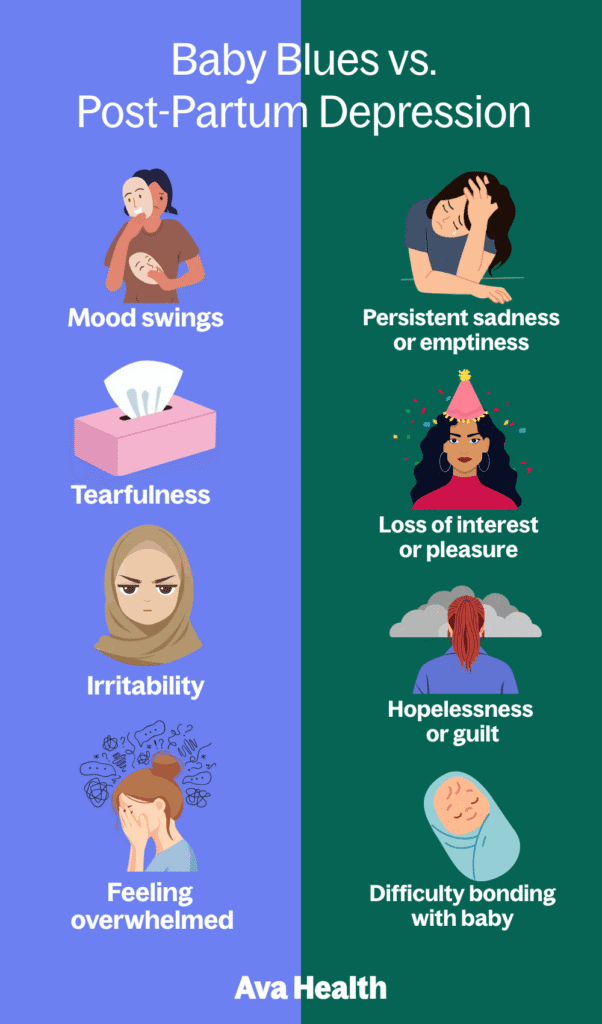
Baby Blues vs. Postpartum Depression
The Baby Blues
Many new parents experience the baby blues in the first 1–2 weeks after delivery.
Common features include:
- Mood swings
- Tearfulness
- Irritability
- Feeling overwhelmed
These symptoms usually improve as hormones stabilize and sleep increases.
Postpartum Depression
Postpartum depression is different.
It may include:
- Persistent sadness or emptiness
- Loss of interest or pleasure
- Feelings of hopelessness or guilt
- Difficulty bonding with the baby
The key difference is duration and severity. If symptoms persist or worsen, it’s important to seek support.
Educational mental health resources—like those found in women’s wellness blogs often explain this distinction to help reduce fear and confusion.
How Common Is Postpartum Depression?
Postpartum depression affects approximately 1 in 7 women, though the number may be higher due to underreporting.
It can also affect:
- Partners
- Adoptive parents
- Parents after pregnancy loss
PPD is not rare, and it is not a personal failure. It is a health condition that deserves care and understanding.
Causes of Postpartum Depression
Postpartum depression does not have a single cause. It usually develops from a combination of physical, emotional, and situational factors.
1. Hormonal Changes
After childbirth, levels of estrogen and progesterone drop rapidly. These hormonal shifts can affect mood regulation and emotional stability.
Other hormonal changes involve:
- Thyroid function
- Stress hormones
- Sleep-related hormones
These changes alone do not cause PPD, but they can contribute significantly.
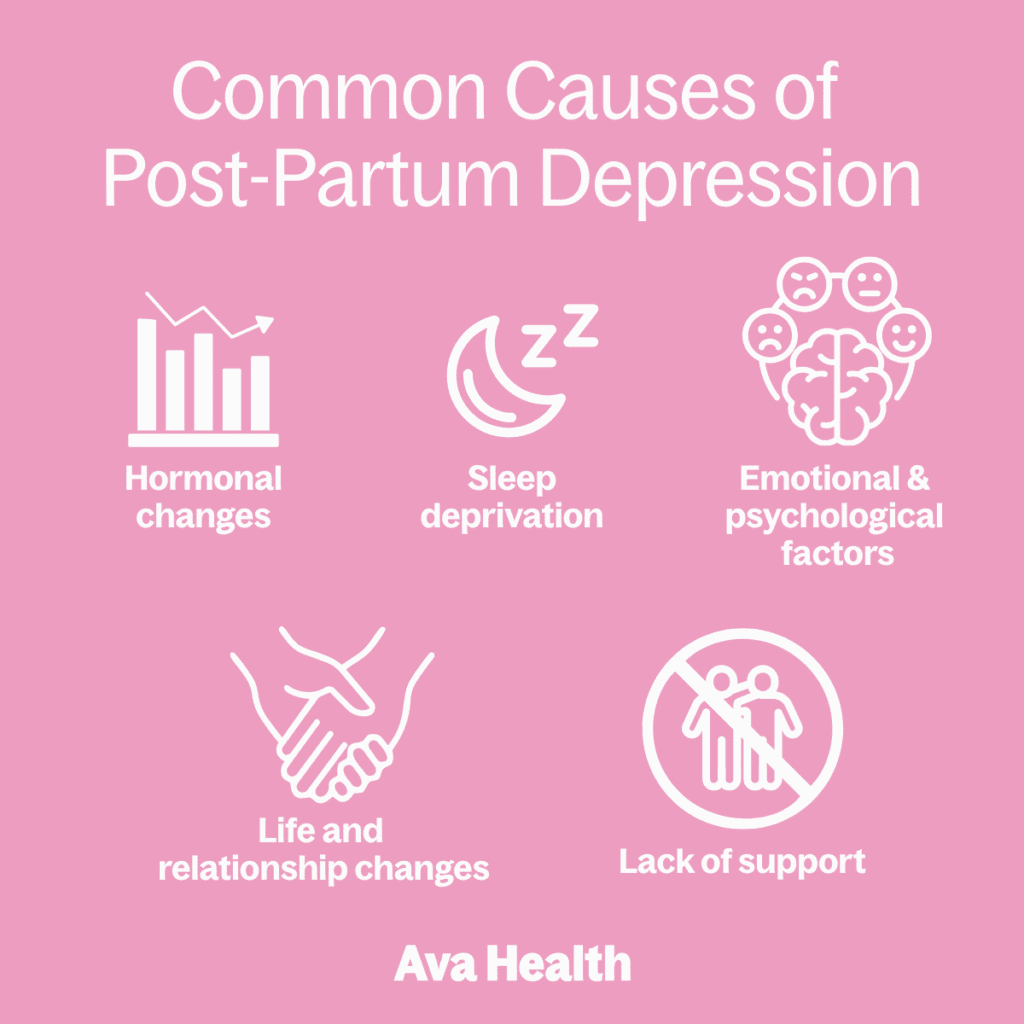
2. Sleep Deprivation
Sleep disruption is one of the most underestimated contributors to postpartum mental health challenges.
Chronic sleep deprivation can:
- Increase anxiety and irritability
- Lower emotional resilience
- Worsen depressive symptoms
Lack of rest is not a weakness—it’s a biological stressor.
3. Emotional and Psychological Factors
PPD is more likely if you have:
- A history of depression or anxiety
- Experienced trauma or loss
- High expectations of yourself
- Difficulty asking for help
Perfectionism and pressure to “do everything right” can quietly intensify distress.
4. Life and Relationship Changes
The postpartum period brings major transitions:
- Changes in identity
- Shifts in relationships
- Financial stress
- Reduced independence
Even positive changes can feel overwhelming when they happen all at once.
5. Lack of Support
Feeling isolated or unsupported—emotionally or practically—can increase the risk of postpartum depression.
Support doesn’t only mean help with the baby. It also means:
- Being listened to
- Feeling understood
- Having space to express emotions
Signs and Symptoms of Postpartum Depression
Symptoms can vary widely, and not everyone experiences them the same way.
Emotional Symptoms
- Persistent sadness or crying
- Feelings of emptiness or numbness
- Guilt, shame, or worthlessness
- Feeling disconnected from your baby
Mental and Cognitive Symptoms
- Difficulty concentrating
- Racing or intrusive thoughts
- Excessive worry or fear
- Feeling overwhelmed by small tasks
Physical Symptoms
- Fatigue that doesn’t improve with rest
- Changes in appetite
- Sleep difficulties beyond newborn care
- Headaches or body aches
Behavioral Symptoms
- Withdrawing from others
- Avoiding activities you once enjoyed
- Feeling like you’re “just going through the motions”
If these symptoms persist for more than two weeks or interfere with daily life, it’s important to seek support.
Postpartum Anxiety and Depression Together
Postpartum depression often overlaps with postpartum anxiety.
Anxiety symptoms may include:
- Constant worry
- Fear of something bad happening
- Panic attacks
- Difficulty relaxing
You don’t need to separate or label your experience perfectly to get help. Support can meet you where you are.
Can You Have Postpartum Depression Months Later?
Yes. Postpartum depression can begin:
- During pregnancy
- Shortly after birth
- Several months postpartum
Delayed-onset PPD is real and valid. If you’re struggling later than expected, your experience still matters.
How Postpartum Depression Affects Bonding
One of the most painful aspects of PPD is the fear that it means you’re a bad parent or unable to bond.
This is not true.
Depression can temporarily interfere with emotional connection, but:
- Bonding is a process, not a moment
- Attachment can grow over time
- Treatment helps restore connection
Your capacity to love has not disappeared—it may simply be buried under exhaustion and distress.
Coping With Postpartum Depression: Supportive Steps
Healing does not require perfection or speed. Small, steady support matters.
- Talk With a Healthcare Provider
A primary care provider, OB-GYN, or mental health professional can:
- Screen for postpartum depression
- Discuss treatment options
- Rule out medical contributors
Many women’s health clinics emphasize compassionate, nonjudgmental conversations.
- Consider Counseling or Therapy
Therapy can help you:
- Process emotions
- Reduce isolation
- Develop coping tools
Cognitive behavioral therapy (CBT) and interpersonal therapy (IPT) are commonly used for postpartum depression.
- Medication (When Appropriate)
For some, medication is an important part of recovery.
Antidepressants:
- Can be safe during breastfeeding (depending on type)
- Help regulate mood and anxiety
- Are a medical support—not a failure
Decisions about medication should be made with a trusted provider.
- Build Support Around You
Support may include:
- Asking someone to help with meals or chores
- Talking openly with a trusted friend
- Joining a postpartum support group
You don’t have to explain everything to deserve help.
- Care for Your Body, Gently
Basic care supports mental health:
- Eating regularly
- Staying hydrated
- Getting rest when possible
These are not cures—but they are foundations.
When Postpartum Depression Is an Emergency
If you experience:
- Thoughts of harming yourself or your baby
- Feeling unable to keep yourself safe
- Hearing voices or severe confusion
Seek immediate medical help or emergency services. This is urgent, and you deserve immediate support.
A Holistic Perspective on Postpartum Healing
Postpartum depression does not erase your strength, your love, or your future. It is a season of vulnerability—not a permanent state.
Even if you feel broken right now, healing is possible, and many people recover fully with the right care and support. This chapter does not have to define the rest of your story.
Reflection: You Are Allowed to Ask for Help
If you’re reading this and recognizing yourself, pause for a moment. You don’t have to carry this alone.
It’s okay to speak up. It’s okay to say this is harder than you expected. Educational resources—like postpartum mental health blogs exist to remind you that support is not weakness. It’s wisdom.
Support and Next Steps
If you think you may be experiencing postpartum depression:
- Reach out to a healthcare provider
- Talk with someone you trust
- Explore counseling or support groups
Care is available. You are not alone. And with time, support, and compassion, it can get better.
Sources
American College of Obstetricians and Gynecologists. Postpartum Depression. ACOG, https://www.acog.org/womens-health/faqs/postpartum-depression. Accessed 10 Feb. 2026.
Centers for Disease Control and Prevention. Depression Among Women. CDC, https://www.cdc.gov/reproductivehealth/depression/. Accessed 10 Feb. 2026.
National Institute of Mental Health. Perinatal Depression. U.S. Department of Health and Human Services, https://www.nimh.nih.gov/health/publications/perinatal-depression. Accessed 10 Feb. 2026.
Mayo Clinic Staff. Postpartum Depression. Mayo Clinic, https://www.mayoclinic.org/diseases-conditions/postpartum-depression/. Accessed 10 Feb. 2026.
O’Hara, Michael W., and James E. McCabe. “Postpartum Depression: Current Status and Future Directions.” Annual Review of Clinical Psychology, vol. 9, 2013, pp. 379–407.
Shorey, Shefaly, et al. “Prevalence and Incidence of Postpartum Depression among Fathers: A Meta-Analysis.” Journal of Affective Disorders, vol. 206, 2017, pp. 315–323.
U.S. National Library of Medicine. Drugs and Lactation Database (LactMed). National Institutes of Health, https://www.ncbi.nlm.nih.gov/books/NBK501922/. Accessed 10 Feb. 2026.
Wisner, Katherine L., et al. “Onset Timing, Thoughts of Self-Harm, and Diagnoses in Postpartum Women with Screen-Positive Depression Findings.” JAMA Psychiatry, vol. 70, no. 5, 2013, pp. 490–498.
Share this Blog
Disclaimer: The content on this site is for informational purposes only and does not constitute medical advice. Ava Health does not refer for or perform abortions. All medical information is accurate at the time of publishing.
Other Articles You Might Be Interested In
Understanding Postpartum Depression: Causes, Symptoms, and Ways to Cope
Early Pregnancy Symptoms: A Comprehensive Guide to Recognizing the First Signs